
What Percent Do You Pay on High-Risk Merchant Accounts: The Complete Guide
Find breakdowns of what percentage high risk merchants usually pay in fees, factors that raise costs and ways to reduce them.
January 2, 2023
•
8 MIN READ
Find breakdowns of what percentage high risk merchants usually pay in fees, factors that raise costs and ways to reduce them.

Find features small businesses need in an online payment system: mobile friendliness, fraud protection, fast processing and customer support.

Learn what a merchant number is, why you have one and how to locate it to help with payment tracking or support issues.

Understand what a payment processor does, how it differs from a gateway and why it matters for every merchant.
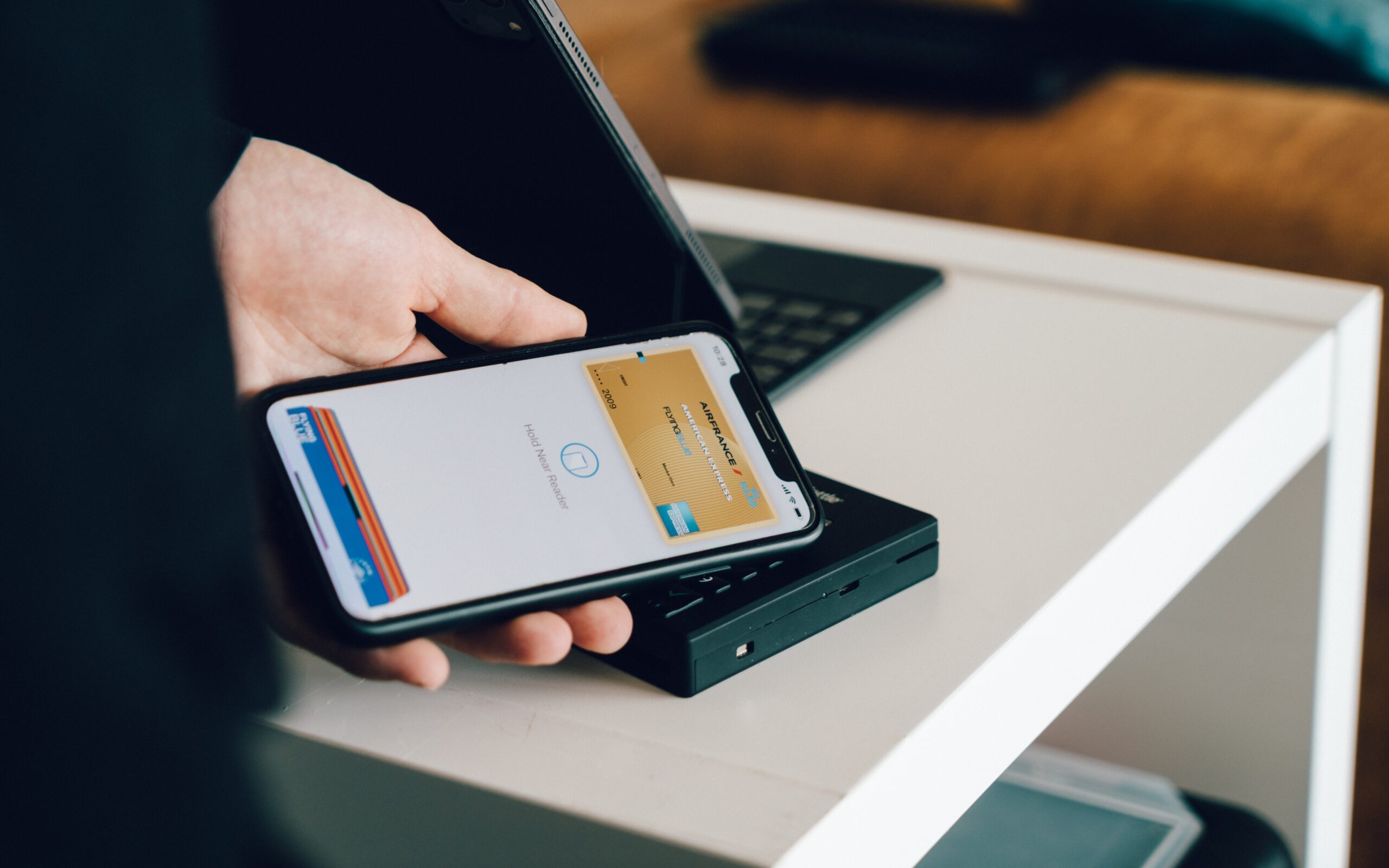
Get clear on what an eWallet is, how customers and merchants use them and what makes them a secure option.
Explore merchant account types, pricing models and features to find the option that fits your business best.
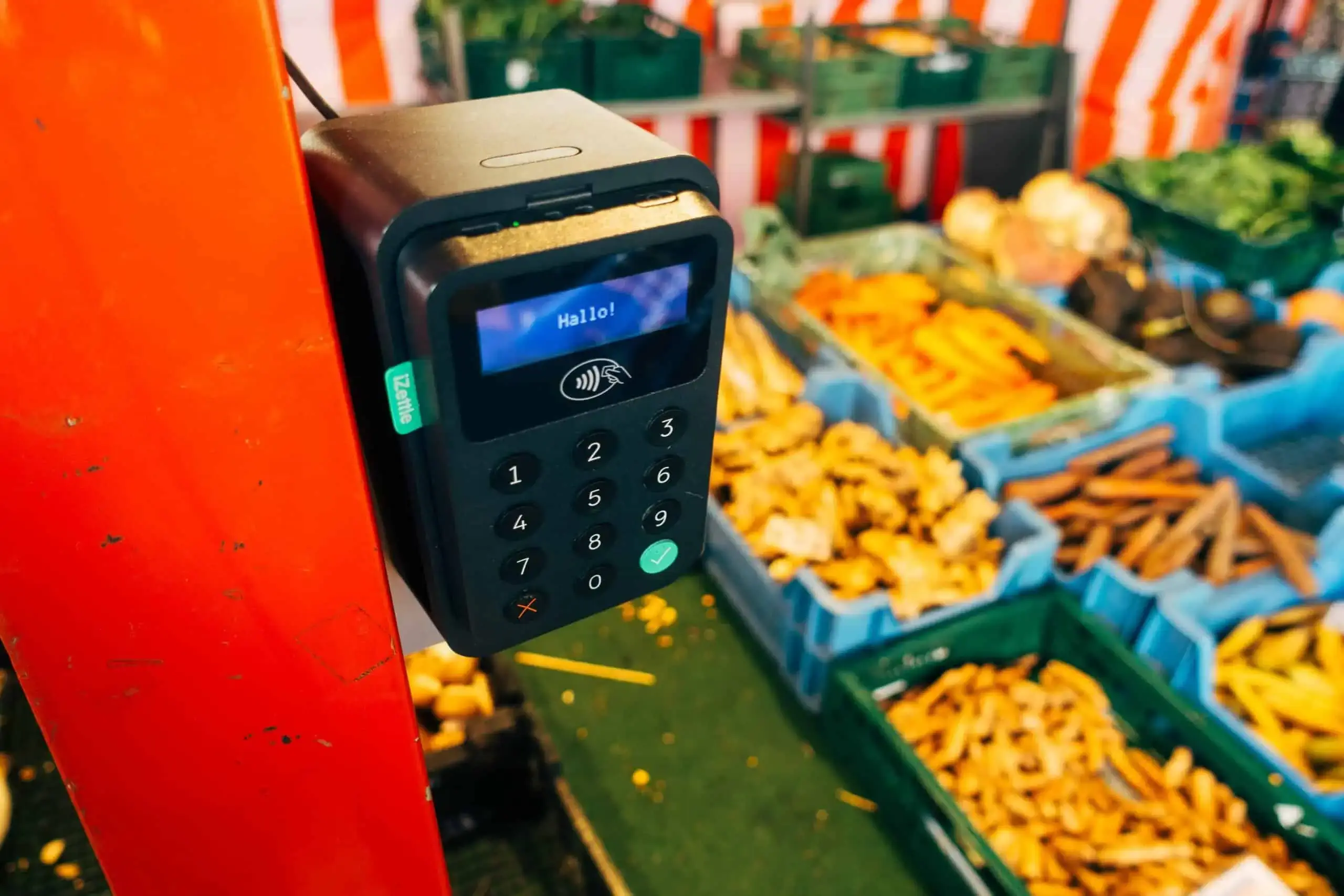
See four reasons ecommerce accounts are often labeled high risk and what to evaluate if you’re considering applying anyway.

Ecommerce merchant accounts are considered high risk for a few reasons. First, ecommerce transactions involve the exchange of sensitive financial information, such as credit card numbers and bank account details, which can make them more vulnerable to fraud. This increased risk of fraud makes ecommerce merchants a higher risk for credit card processors and banks, which may charge higher fees or require additional security measures to mitigate the risk.
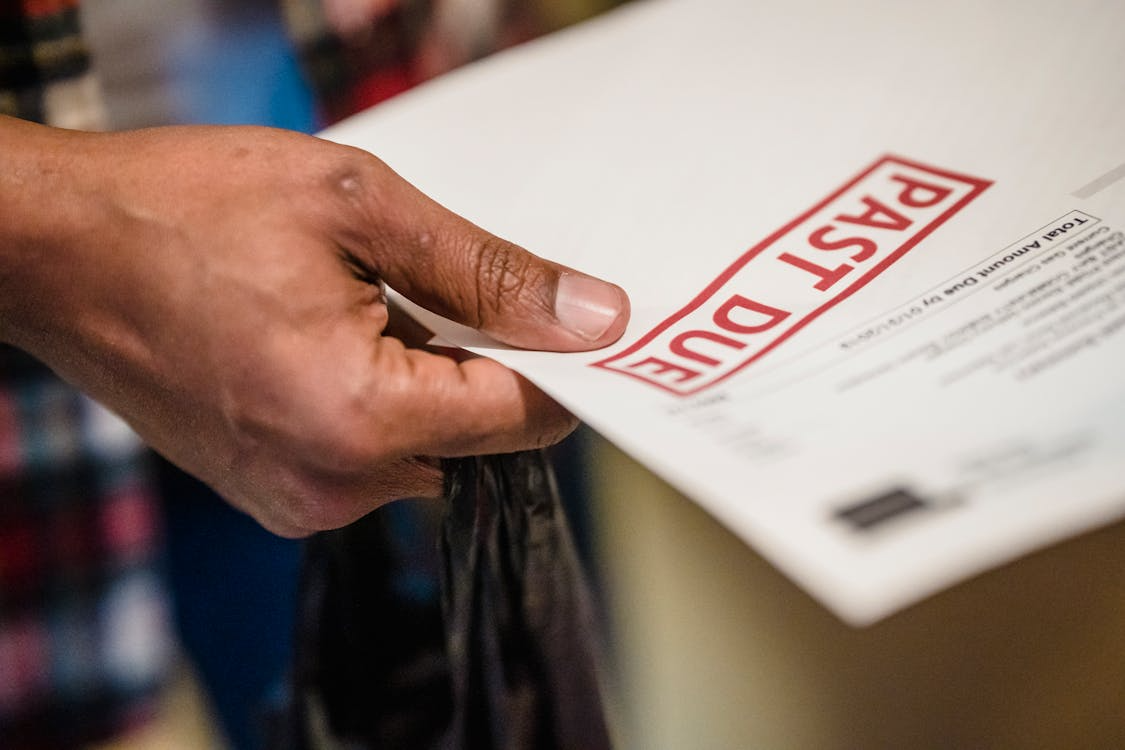
Debt collection is one of the most heavily scrutinized and tightly regulated industries in financial services.